
In this guide · 12 sections
- Why Pediatric Dentistry Matters
- When to Start Dental Visits for Your Child
- Pediatric Dental Services at myPediaClinic Dubai
- Advanced Technology for Comfortable Care
- Making Dental Visits Positive for Children
- Common Dental Problems in Children
- Oral Health Tips for Parents in Dubai
- The Connection Between Oral Health and Overall Health
- Understanding Dental Development in Children
- Preparing Your Child for Dental Visits
- Special Dental Needs in Children
- FAQs
Treated at the clinic under pediatric dentistry.
Are you looking for a pediatric dentist who truly understands children? Do you want your child to have positive experiences at the dentist from an early age? At myPediaClinic in Dubai Healthcare City, our specialized pediatric dentistry department provides comprehensive dental care designed specifically for children, from their very first tooth through adolescence.
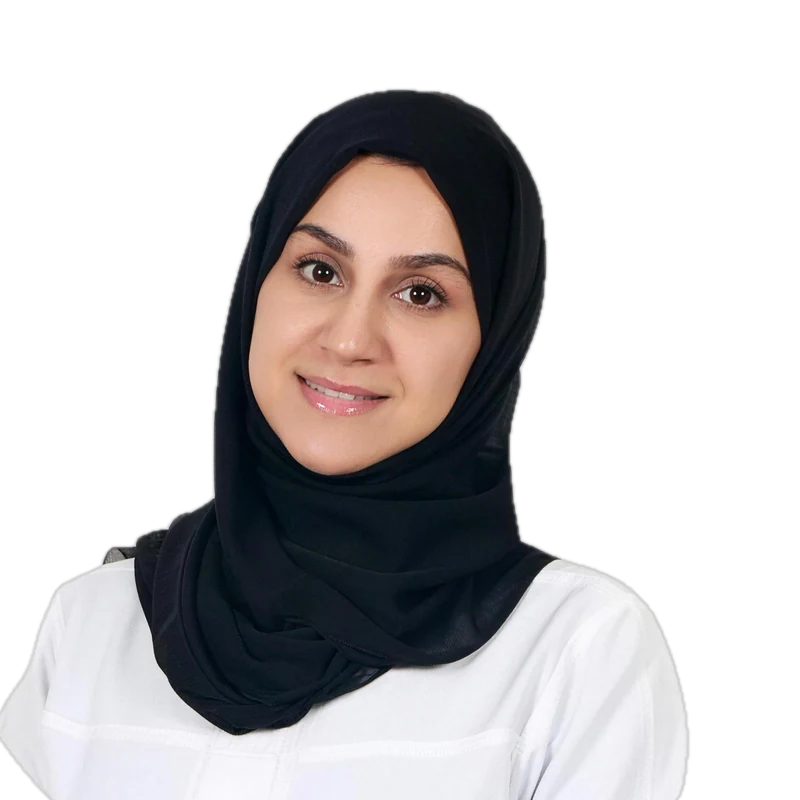
Our experienced pediatric dentist, leads our dental team with a child-friendly approach that helps children feel comfortable and even excited about dental visits. Combined with the medical expertise of our pediatricians, our pediatrician in Dubai, we offer integrated care that addresses your child’s complete health needs. This comprehensive guide covers everything parents in Dubai need to know about pediatric dentistry and when to start dental visits for their children.
Why Pediatric Dentistry Matters
Children’s dental needs are different from adults. Pediatric dentistry is a specialized field dedicated to the oral health of infants, children, and adolescents, including those with special healthcare needs. Understanding why specialized dental care matters helps parents make informed decisions about their children’s oral health.
The Importance of Early Dental Care
Many parents wonder when to start thinking about their child’s dental health. The answer may surprise you:
- Before birth
- A mother’s oral health affects the developing baby
- First tooth
- Dental care begins as soon as the first tooth emerges
- First birthday
- First dental visit should occur by age one
- Prevention focus
- Early care prevents problems before they start
- Habit formation
- Good oral hygiene habits develop early
How Pediatric Dentists Differ from General Dentists
Pediatric dentists receive additional specialized training beyond dental school:
- Extra training
- Two to three years of specialty residency in pediatric dentistry
- Child development
- Understanding of physical, emotional, and psychological development
- Behavior management
- Techniques to help anxious or uncooperative children
- Special needs expertise
- Care for children with medical or developmental conditions
- Child-sized equipment
- Tools and techniques designed for small mouths
- Age-appropriate communication
- Ability to explain procedures in ways children understand
Benefits of Pediatric Dental Care
Choosing a pediatric dentist for your child offers numerous advantages:
- Positive experiences
- Children learn to view dental visits positively
- Early detection
- Problems are identified before they become serious
- Prevention
- Focus on preventing cavities and other issues
- Growth monitoring
- Tracking jaw and tooth development
- Education
- Teaching children proper brushing and flossing techniques
- Reduced fear
- Child-friendly environment minimizes anxiety
When to Start Dental Visits for Your Child
One of the most common questions parents in Dubai ask is when their child should first see a dentist. Following established guidelines helps ensure optimal oral health.
The First Dental Visit
The American Academy of Pediatric Dentistry and myPediaClinic recommend:
- First tooth, first visit
- Schedule a dental visit when the first tooth appears
- By first birthday
- All children should see a dentist by age one
- Between 6-12 months
- As the first tooth erupts, visits to the pediatric dentist should start
- Establish dental home
- Create a relationship with a dental practice early
What Happens at the First Visit
The first dental visit is usually brief and focused on establishing comfort:
- Introduction
- Getting to know the dentist and the environment
- Examination
- Gentle check of emerging teeth and gums
- Parent education
- Discussion of oral hygiene, feeding, and habits
- Risk assessment
- Evaluating cavity risk factors
- Questions answered
- Time for parents to ask questions
- Future planning
- Scheduling follow-up visits
Regular Dental Check-ups
After the first visit, children should see the pediatric dentist regularly:
- Every six months
- Standard recommendation for most children
- More frequently
- Some children may need visits every three to four months
- Based on risk
- Children with higher cavity risk may need more frequent visits
- Consistency
- Regular visits are key to maintaining oral health
Pediatric Dental Services at myPediaClinic Dubai
Our pediatric dentistry department in Dubai Healthcare City offers comprehensive services for children’s oral health needs. Our child-friendly environment and advanced technology ensure comfortable, effective care.
Preventive Dental Care
Prevention is the foundation of our approach:
- Dental examinations
- Thorough check of teeth, gums, and oral development
- Professional cleanings
- Removal of plaque and tartar buildup
- Fluoride treatments
- Strengthening tooth enamel against decay
- Dental sealants
- Protective coatings on permanent molars
- Oral hygiene education
- Teaching proper brushing and flossing
- Dietary counseling
- Guidance on foods that promote dental health
Restorative Treatments
When treatment is needed, we offer:
- Tooth-colored fillings
- Treating cavities with natural-looking materials
- Pediatric crowns
- Protecting damaged or decayed teeth
- Pulp therapy
- Treatment for deep decay affecting the tooth nerve
- Root canal treatment
- Saving severely affected teeth when possible
- Extractions
- Removing teeth that cannot be saved
- Space maintainers
- Preserving space when baby teeth are lost early
Emergency Dental Care
Dental emergencies require prompt attention:
- Knocked-out teeth
- Time-sensitive treatment for dental trauma
- Broken teeth
- Repair of chipped or fractured teeth
- Severe toothache
- Assessment and pain relief
- Dental abscesses
- Treatment of infection
- Injury assessment
- Evaluation after falls or accidents
Advanced Technology for Comfortable Care
At myPediaClinic in Dubai, we invest in advanced technology that makes dental care more comfortable, safer, and more effective for children.
Low-Radiation Digital X-rays
Our special cameras significantly reduce radiation exposure:
- Up to 90% less radiation
- Compared to traditional x-rays
- Instant images
- No waiting for film development
- Better diagnosis
- Enhanced images aid in detecting problems
- Digital storage
- Easy comparison of images over time
- Environmentally friendly
- No chemical processing required
Painless Numbing Technology
One of the biggest fears children have is the needle. We use advanced technology to eliminate this concern:
- Single Tooth Anesthesia (STA)
- Numbs only the tooth being treated
- No numb lips or tongue
- Children can eat and drink normally after
- Computer-controlled delivery
- Consistent, comfortable injection
- Reduced anxiety
- Less fear means better cooperation
- Faster recovery
- No hours of numbness after treatment
Virtual Reality Entertainment
We understand that distraction is a powerful tool:
- VR goggles
- Children watch videos or play games during treatment
- Immersive experience
- Attention is focused away from dental work
- Reduced anxiety
- Entertainment helps children relax
- Positive associations
- Dental visits become something to look forward to
- Age-appropriate content
- Selections suitable for different ages
Making Dental Visits Positive for Children
And our dental team use proven techniques to help children feel comfortable and develop positive attitudes toward dental care.
Child-Friendly Environment
Our dental office is designed with children in mind:
- Welcoming atmosphere
- Colorful, child-friendly decor
- Comfortable waiting area
- Activities to occupy children before appointments
- Child-sized equipment
- Everything scaled for small patients
- Friendly staff
- Team members trained in working with children
- Positive reinforcement
- Rewards and praise for cooperation
Behavior Management Techniques
Our pediatric dentist employs various approaches to help anxious children:
- Tell-Show-Do
- Explaining procedures before performing them
- Positive language
- Using child-friendly terms instead of scary words
- Distraction
- Stories, games, and conversation during treatment
- Modeling
- Showing what to expect through demonstration
- Gradual exposure
- Building comfort over multiple visits if needed
- Parent involvement
- Including parents when helpful, giving space when needed
Special Techniques for Anxious Children
For children who need additional support:
- Nitrous oxide (laughing gas)
- Mild sedation to reduce anxiety
- Relaxation techniques
- Breathing exercises and calming strategies
- Desensitization visits
- Non-treatment visits to build familiarity
- Psychological approaches
- Age-appropriate emotional support
- Coordination with pediatrician
- Integrated care for children with medical needs
Common Dental Problems in Children
Understanding common dental issues helps parents recognize problems early and seek appropriate care.
Early Childhood Cavities
Tooth decay is the most common chronic childhood disease:
- Causes
- Bacteria, sugary foods and drinks, poor oral hygiene
- Risk factors
- Bottle feeding at night, frequent snacking, inadequate fluoride
- Prevention
- Proper brushing, limited sugar, regular dental visits
- Treatment
- Fillings, crowns, or extractions depending on severity
- Consequences
- Pain, infection, problems with permanent teeth if untreated
Teething Issues
Most babies experience discomfort when teeth emerge:
- Symptoms
- Drooling, irritability, chewing on objects, gum swelling
- Timeline
- First teeth usually appear around six months
- Relief
- Cool teething rings, gentle gum massage, appropriate pain relievers
- When to worry
- High fever, diarrhea, or rash are not normal teething symptoms
Thumb Sucking and Pacifier Use
These common habits can affect dental development:
- Normal phase
- Common in infants and toddlers
- Concern age
- Should stop by age three to four
- Dental effects
- Can cause bite problems and palate changes
- Intervention
- Gentle encouragement to stop, possible appliances if needed
Dental Trauma
Injuries to teeth are common in active children:
- Common causes
- Falls, sports, accidents
- Types
- Chips, cracks, loosened teeth, knocked-out teeth
- Immediate action
- Save knocked-out teeth, seek emergency care
- Prevention
- Mouthguards for sports, supervision during play
- Follow-up
- Monitor affected teeth for delayed problems
Oral Health Tips for Parents in Dubai
Parents play the crucial role in maintaining their children’s oral health. Here are practical tips for families in Dubai.
Daily Oral Hygiene Routine
Establish good habits from the start:
- Before first tooth
- Wipe gums with a soft, damp cloth after feeding
- First tooth to age three
- Use a smear of fluoride toothpaste the size of a grain of rice
- Ages three to six
- Use a pea-sized amount of fluoride toothpaste
- Brush twice daily
- Morning and before bedtime
- Parent supervision
- Help or supervise brushing until age seven or eight
- Flossing
- Start when teeth touch each other
Nutrition for Healthy Teeth
Diet significantly affects dental health:
- Limit sugary foods
- Candy, cookies, and sweetened snacks promote decay
- Avoid sugary drinks
- Juice, soda, and sweetened beverages are harmful
- Choose healthy snacks
- Fruits, vegetables, cheese, and nuts
- Water is best
- Encourage water drinking, especially in Dubai’s hot climate
- Timing matters
- Limit snacking between meals
- No bottles in bed
- Avoid giving bottles of milk or juice at bedtime
Fluoride in Dubai
Fluoride strengthens teeth and prevents decay:
- Toothpaste
- Use fluoride toothpaste appropriate for your child’s age
- Professional treatments
- Fluoride applications at dental visits
- Water supply
- Check if your water contains fluoride
- Supplements
- May be recommended if fluoride exposure is inadequate
Protecting Teeth During Activities
Active children in Dubai need protection:
- Sports mouthguards
- Essential for contact sports and activities
- Custom vs. store-bought
- Custom-fitted guards provide better protection
- Swimming pools
- Chlorine can affect tooth enamel; rinse mouth after swimming
- Playground safety
- Supervision to prevent falls and injuries
The Connection Between Oral Health and Overall Health
Dental health is connected to overall health in important ways. At myPediaClinic, our integrated approach addresses both.
How Oral Health Affects General Health
- Nutrition
- Healthy teeth are needed for proper eating
- Speech development
- Teeth play a role in speech
- Self-esteem
- A healthy smile affects confidence
- Infection risk
- Dental infections can spread to other parts of the body
- Systemic inflammation
- Oral bacteria may contribute to inflammation elsewhere
Medical Conditions Affecting Dental Health
Some health conditions require special dental attention:
- Diabetes
- Increased risk of gum disease
- Asthma
- Some medications can affect teeth
- Heart conditions
- May require antibiotic prophylaxis before dental work
- Developmental delays
- May need adapted approaches to care
- Allergies
- Mouth breathing can affect dental development
Integrated Care at myPediaClinic
Our unique advantage is having pediatric medicine and pediatric dentistry under one roof:
- Coordinated care
- Dentist and pediatrician work together
- Complete health picture
- Both teams have access to the child’s health history
- Convenient location
- All services in Dubai Healthcare City
- Comprehensive approach
- Addressing oral health as part of overall wellness
Understanding Dental Development in Children
Knowing what to expect as your child’s teeth develop helps parents identify potential problems and understand normal variation.
Baby Teeth (Primary Teeth)
Children have 20 primary teeth that typically appear in a predictable pattern:
- 6-10 months
- Lower central incisors (front bottom teeth) usually appear first
- 8-12 months
- Upper central incisors emerge
- 9-13 months
- Upper lateral incisors (next to front teeth)
- 10-16 months
- Lower lateral incisors
- 13-19 months
- First molars appear
- 16-23 months
- Canine teeth (pointed teeth) emerge
- 23-33 months
- Second molars complete the primary teeth
By age three, most children have all 20 primary teeth. However, significant variation exists, and some children get teeth earlier or later than these ranges. If your child has no teeth by 18 months, consult with our pediatric dentist.
Permanent Teeth Development
Children begin losing baby teeth and gaining permanent teeth around age six:
- Age 6-7
- Lower central incisors and first permanent molars
- Age 7-8
- Upper central incisors
- Age 8-9
- Upper and lower lateral incisors
- Age 9-12
- Canines and premolars
- Age 11-13
- Second permanent molars
- Age 17-21
- Wisdom teeth (third molars)
Adults have 32 permanent teeth, though many people have their wisdom teeth removed. The transition from primary to permanent teeth is an important time for dental monitoring.
Signs of Dental Development Problems
While variation is normal, certain signs warrant dental evaluation:
- No teeth by 18 months of age
- Baby teeth not loosening by age seven
- Permanent teeth coming in behind baby teeth (shark teeth)
- Significant crowding or spacing issues
- Pain or sensitivity in emerging teeth
- Unusual tooth shape, color, or size
Preparing Your Child for Dental Visits
How parents prepare children for dental visits significantly affects the child’s experience. These strategies help ensure positive appointments.
Before the First Visit
- Start conversations early
- Talk positively about the dentist before the appointment
- Read books
- Children’s books about dental visits help familiarize the concept
- Play pretend
- Practice “dental visits” with stuffed animals or dolls
- Stay positive
- Avoid using dental visits as threats or punishment
- Answer questions honestly
- Use simple, positive language
During the Visit
- Arrive early
- Allow time to settle in without rushing
- Stay calm
- Children sense parental anxiety
- Follow the dentist’s lead
- Let the dental team manage the appointment
- Offer comfort
- Be available for support without hovering
- Avoid negative words
- Let the team explain things their way
After the Visit
- Praise your child
- Focus on their cooperation and bravery
- Discuss the experience
- Answer questions and address concerns
- Reinforce learning
- Practice any oral hygiene tips from the dentist
- Plan the next visit
- Keep dental care on the regular schedule
Special Dental Needs in Children
Some children require specialized dental approaches due to medical conditions or developmental differences.
Children with Medical Conditions
Certain health conditions affect dental care:
- Heart conditions
- May require antibiotics before dental procedures
- Bleeding disorders
- Special precautions for procedures involving bleeding
- Immune deficiencies
- Increased infection risk requires careful management
- Epilepsy
- Medication considerations and seizure precautions
- Diabetes
- Blood sugar management around appointments
Children with Developmental Differences
Our team is experienced in caring for children with:
- Autism spectrum disorder
- Adapted approaches for sensory sensitivities
- Down syndrome
- Awareness of common oral health issues
- Cerebral palsy
- Positioning and communication adaptations
- ADHD
- Strategies for maintaining attention and cooperation
- Anxiety disorders
- Specialized behavior management techniques
At myPediaClinic, works with parents and the child’s medical team to create individualized care plans that address each child’s unique needs.
Frequently Asked Questions About Pediatric Dentistry
When should my child first see a dentist in Dubai?
Your child should see a pediatric dentist when their first tooth appears, or by their first birthday, whichever comes first. At myPediaClinic in Dubai Healthcare City, we recommend scheduling the first dental visit between six and twelve months of age as the first teeth erupt. This early visit establishes a dental home, allows for early detection of any problems, and gives parents guidance on oral care for their child.
How often should my child visit the pediatric dentist?
Most children should visit the pediatric dentist every six months for regular check-ups and professional cleanings. Some children may need more frequent visits if they have a higher risk of cavities or other dental issues. At myPediaClinic, will recommend a schedule based on your child’s individual needs and oral health status.
Why are baby teeth important if they will fall out anyway?
Baby teeth are essential for many reasons beyond eventual replacement. They help children chew food properly, maintain nutrition, and develop speech clearly. Baby teeth also hold space for permanent teeth; if lost too early, permanent teeth may come in crooked. Additionally, infections in baby teeth can damage developing permanent teeth beneath them. Proper care of baby teeth sets the foundation for lifelong oral health.
What can I do if my child is afraid of the dentist?
Fear of the dentist is common, but our pediatric dental team at myPediaClinic in Dubai is specially trained to help anxious children. We use child-friendly language, explain procedures before performing them, and offer distractions like virtual reality goggles. Our painless numbing technology eliminates fear of injections. For very anxious children, we can arrange desensitization visits or discuss options like nitrous oxide (laughing gas) to help them relax.
Does my child need dental x-rays?
Dental x-rays are an important diagnostic tool that allows us to see between teeth and below the gumline where cavities often start. At myPediaClinic, we use advanced digital x-ray technology that reduces radiation exposure by up to 90% compared to traditional x-rays. The decision to take x-rays is based on each child’s individual needs, cavity risk, and dental history. We always minimize radiation while ensuring proper diagnosis.
How can I help my child stop thumb sucking?
Thumb sucking is normal in infants and young toddlers, but should ideally stop by age three to four to prevent dental problems. At myPediaClinic, can provide guidance tailored to your child’s age and situation. Strategies may include positive reinforcement when the child does not suck their thumb, identifying triggers and offering alternatives, and in some cases, dental appliances that discourage the habit. Patience and positive approaches work better than punishment or shaming, which can make the habit worse.
What should I do if my child knocks out a tooth?
A knocked-out tooth is a dental emergency requiring immediate action. For a permanent tooth, try to find the tooth, hold it by the crown (not the root), rinse gently if dirty without scrubbing, and try to place it back in the socket or store it in milk. Contact myPediaClinic immediately as time is critical for saving the tooth. For baby teeth, do not try to reimplant them, but still seek dental evaluation to ensure no damage to developing permanent teeth.
At what age do children start losing baby teeth?
Most children begin losing baby teeth around age six, starting with the lower front teeth. The process of losing all baby teeth and gaining permanent teeth typically continues until age twelve or thirteen. Some children lose teeth earlier or later than this average, which is usually normal. If your child has not lost any teeth by age seven, consult with our pediatric dentist for evaluation.
Are dental sealants necessary for children?
Dental sealants are a highly effective preventive measure against cavities. They are thin protective coatings applied to the chewing surfaces of back teeth, where most cavities occur. Sealants are especially beneficial for children who have difficulty with thorough brushing or are at higher risk for cavities. At myPediaClinic, we recommend sealants for most children once their permanent molars come in, typically around age six and again around age twelve.
How much does pediatric dental care cost in Dubai?
The cost of pediatric dental care varies depending on the services needed. Many health insurance plans in Dubai cover preventive care like check-ups, cleanings, and fluoride treatments for children. Some plans also cover restorative treatments like fillings. Our team at myPediaClinic can provide cost estimates before treatment and help you understand your insurance coverage. We believe every child deserves quality dental care and work with families to make care accessible.
Can I stay with my child during dental treatment?
For very young children or first visits, parents are welcome to accompany their child into the treatment room. However, for some children, especially as they get older, being in the treatment room without parents helps them focus better and cooperate more easily with the dentist. will discuss the best approach for your child based on their age, temperament, and the procedure being performed. Our goal is always to make the experience positive and comfortable.
What if my child has special needs?
At myPediaClinic, we have extensive experience caring for children with special healthcare needs, including developmental, physical, medical, and cognitive conditions. works closely with our pediatricians and parents to develop individualized care plans that address each child’s unique needs. We can adapt our techniques, use special positioning, provide additional time, and coordinate with other healthcare providers to ensure safe, effective dental care.
How do I clean my baby’s gums before teeth come in?
Even before the first tooth emerges, it’s important to clean your baby’s gums. After each feeding, gently wipe the gums with a soft, damp cloth or gauze pad. This removes bacteria and helps your baby get accustomed to having their mouth cleaned, making the transition to tooth brushing easier. Once the first tooth appears, begin using a soft infant toothbrush with a tiny smear of fluoride toothpaste.
Is fluoride safe for children?
Yes, fluoride is safe and beneficial for children when used appropriately. Fluoride strengthens tooth enamel and helps prevent cavities. At myPediaClinic, we recommend using fluoride toothpaste from the first tooth, starting with a rice grain-sized smear for children under three, and a pea-sized amount for children three to six years old. Professional fluoride treatments at dental visits provide additional protection. The key is using the right amount for your child’s age.
When should my child start brushing their own teeth?
Children can begin learning to brush their own teeth around age two or three, but they lack the manual dexterity and understanding to brush effectively on their own until much later. Parents should supervise and assist with brushing until at least age seven or eight. Even after children can brush independently, periodic supervision ensures they are brushing correctly and thoroughly. Making brushing a positive routine helps establish lifelong oral health habits.
What causes cavities in baby teeth?
Cavities in baby teeth, also called early childhood caries, are caused by bacteria that feed on sugars and produce acid that damages tooth enamel. Common risk factors include frequent consumption of sugary foods and drinks, putting babies to bed with bottles of milk or juice, inadequate fluoride exposure, and insufficient oral hygiene. The good news is that cavities are largely preventable through proper brushing, limited sugar intake, and regular dental visits starting by age one.
Can my child play sports with braces or dental appliances?
Yes, children with braces or other dental appliances can participate in sports, but they need extra protection. A properly fitted mouthguard is essential to protect both the teeth and the orthodontic appliance. Custom mouthguards made by your dentist provide the best fit and protection for children with braces. Our team at myPediaClinic can create custom mouthguards that accommodate braces and other dental appliances while protecting your child during sports activities.
How do I choose a good toothbrush for my child?
Choose a soft-bristled toothbrush with a small head appropriate for your child’s age and mouth size. For infants and toddlers, use a brush specifically designed for their tiny mouths. As children grow, graduate to larger brushes while maintaining soft bristles. Electric toothbrushes can be effective for some children and may be more fun, encouraging better brushing habits. Replace toothbrushes every three to four months, or sooner if bristles become frayed. Our team at myPediaClinic can recommend specific brushes for your child’s age and needs.
What should I do if my child grinds their teeth at night?
Teeth grinding (bruxism) is common in children, especially during sleep. Many children grind their teeth during periods of growth, stress, or when new teeth are erupting, and most outgrow it. However, severe grinding can damage teeth and cause jaw pain. If you notice your child grinding their teeth, mention it at your next dental visit. can examine for signs of damage and may recommend a custom nightguard to protect the teeth if grinding is severe or persistent.
Are white spots on my child’s teeth normal?
White spots on teeth can indicate several things. They may be early signs of enamel demineralization (the beginning of a cavity), fluorosis (from excessive fluoride exposure during tooth development), or simply natural variations in enamel formation. Some white spots are harmless, while others require intervention. If you notice white spots on your child’s teeth, schedule a dental examination at myPediaClinic so can determine the cause and recommend appropriate treatment if needed.
At myPediaClinic in Dubai Healthcare City, we are committed to giving every child a positive experience at the dentist. and our pediatric dental team provide gentle, expert care using the latest technology in a child-friendly environment.
Our pediatric dentistry services include:
- Comprehensive dental examinations
- Professional cleanings and fluoride treatments
- Dental sealants and preventive care
- Fillings, crowns, and restorative treatments
- Emergency dental care
- Painless procedures with advanced technology
Contact myPediaClinic:
Give your child the gift of a healthy smile. Contact a Pediatric Clinic in Dubai to schedule a dental visit today.
This guide is general information, not a diagnosis or advice about your own child. If something worries you, speak to a doctor.