

Sedation & hospital dentistry
For children who need additional support during dental treatment, a pediatric dentist can discuss available options and their suitability.
Most children get through dental treatment with explanation, distraction and a local anaesthetic. Where that is not enough there are two further options: nitrous oxide — laughing gas — which leaves your child awake and responsive, and treatment under general anaesthesia, which is carried out in a hospital rather than at the clinic.
When we would raise it
Sedation is not a first step and it is not offered by default. It comes up when:
- Your child is anxious enough that explanation and distraction are not getting the treatment done
- A previous dental visit went badly and confidence has to be rebuilt
- A strong gag reflex makes work at the back of the mouth difficult
- The appointment is longer than your child’s attention will stretch
- The injection itself is the obstacle
- Autism, ADHD or additional needs make the standard approach unworkable
- Several teeth need treating, or the work would otherwise take five or more separate visits
- Your child is under three or four and needs significant treatment
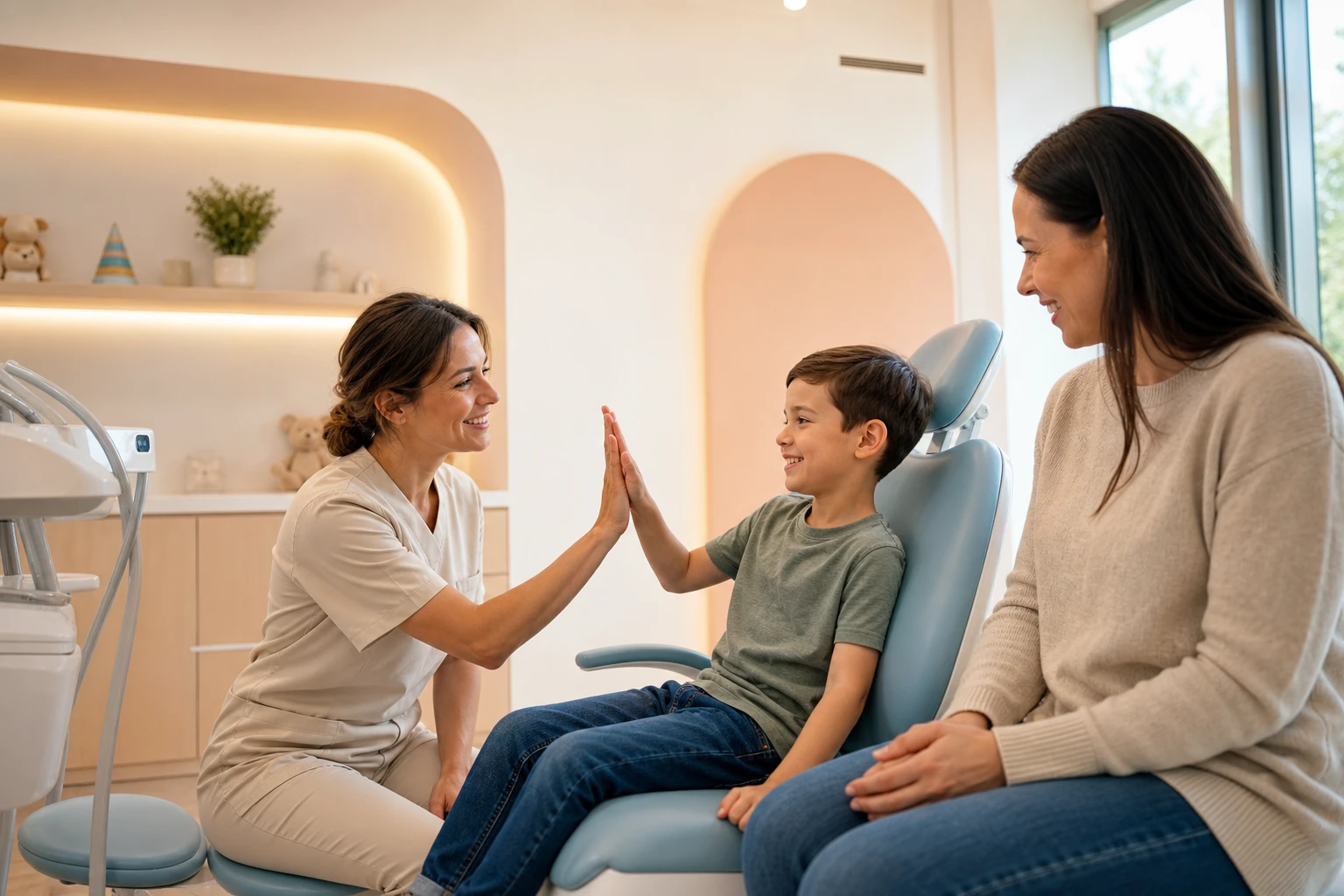
A laughing gas appointment, start to finish
- 01The maskIt is a small mask over the nose, not a large one over the face. Your child can hold it and try it on before anything is switched on. There is nothing to smell.
- 02Oxygen first, then the gasPure oxygen for a minute or two, so your child gets used to breathing through the mask. Nitrous oxide is then added gradually and adjusted to them — typically a mixture of 30 to 50 per cent nitrous with the balance oxygen. Most children settle within three to five minutes.
- 03The treatmentYour child stays awake and can talk to us throughout, and can say if they need a break. Local anaesthetic is still used on the tooth itself: the gas handles the anxiety, not the pain.
- 04Oxygen againA hundred per cent oxygen for three to five minutes at the end clears it out. By the time the mask comes off, the effect has gone.
What laughing gas is, and is not
Nitrous oxide is a colourless, near-tasteless gas that has been standard in pediatric dentistry for more than sixty years. In the mixture used here the oxygen concentration is higher than room air, which is about 21 per cent — so breathing is enhanced rather than depressed — and it reverses within minutes of being switched off.
It is not an anaesthetic and it is not sleep. Children stay awake, answer questions, and usually remember the appointment afterwards. They tend to describe feeling warm, tingly or slightly floaty, with sounds a little further away. There is no loss of control, no amnesia, and no need to be observed afterwards.
It does not suit every child. A blocked nose or a recent cold rules it out, as does a child too young to keep the mask on — usually under three or four — or one who simply refuses it, which we do not override. Nausea occurs in about five per cent of children and is less likely on a light stomach.
General anaesthesia, in a hospital
Where the amount of treatment or the level of distress makes an awake appointment unrealistic, everything can be completed in one session under general anaesthesia. The clinic carries this out in a hospital setting rather than at the clinic, with anaesthetists experienced in children, and its healthcare staff are PALS certified.
You would arrive one to two hours before the scheduled time. A straightforward case takes thirty to sixty minutes; a complex one two to three hours. Children usually wake within fifteen to thirty minutes, are discharged within one to two hours of the end, and are groggy for the rest of the day. They have no memory of the procedure.
Fasting instructions come from the hospital in writing before the day, and they are not the same for solid food as for clear liquids. Follow the sheet you are given exactly — a meal at the wrong hour cancels the operation.
Afterwards
The two are very different on the way home.
- After laughing gas: fully alert, able to eat straight away, back at school the same day
- After laughing gas the only care instructions come from the dental work itself — chewing carefully while a lip is still numb
- After general anaesthesia: clear liquids first, then soft food as it is tolerated
- After general anaesthesia: a quiet day at home, with an adult keeping an eye until the next morning
- Brushing resumes the following day, avoiding any site where a tooth was taken out
- Mild drowsiness, nausea or irritability on the first day is common. Tell us about anything that lasts longer
Who you would see
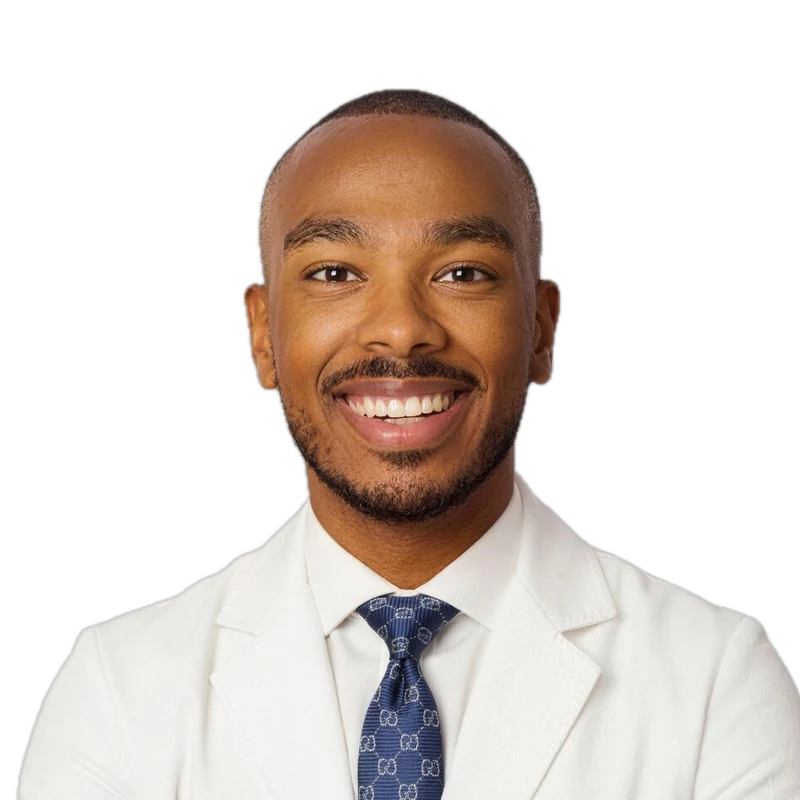 Dr. Mustafa AbdallaSpecialist Pediatric Dentist & Dental Director
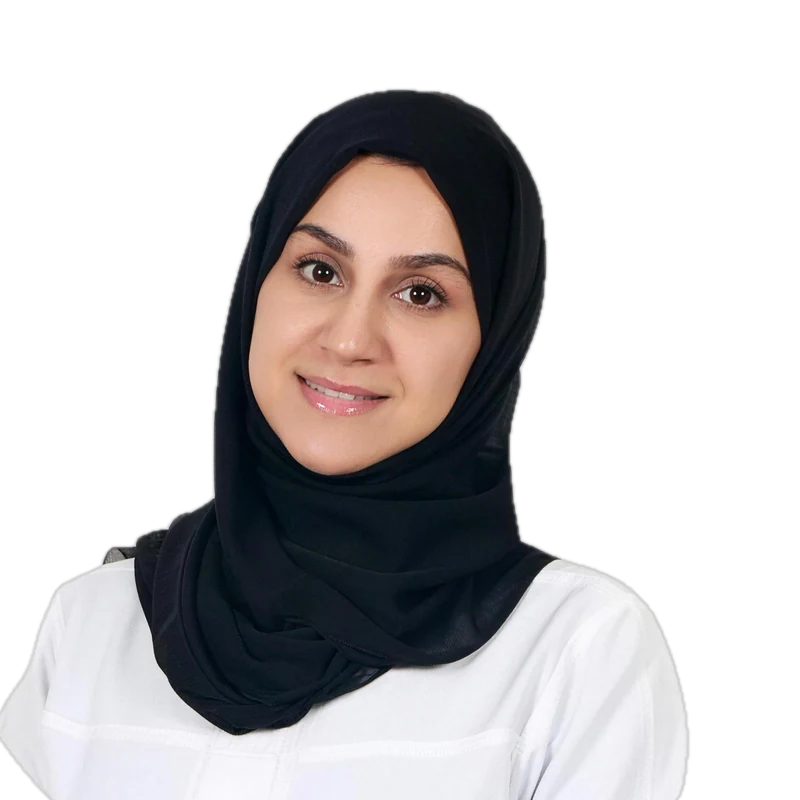 Dr. Shaima BuhamerSpecialist Pediatric Dentist
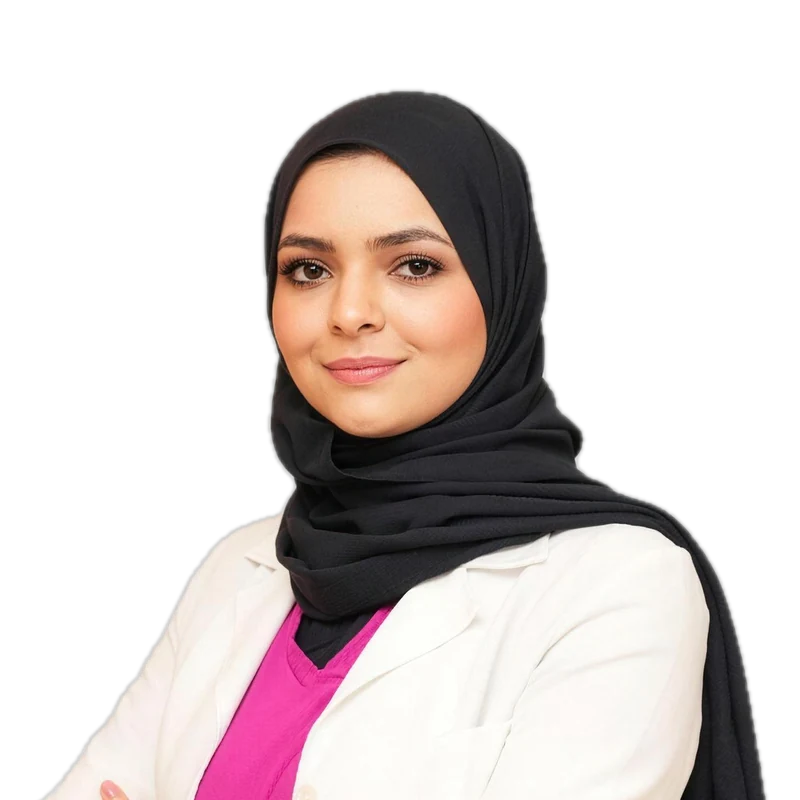 Dr. Sharifa AlHajSpecialist Pediatric Dentist
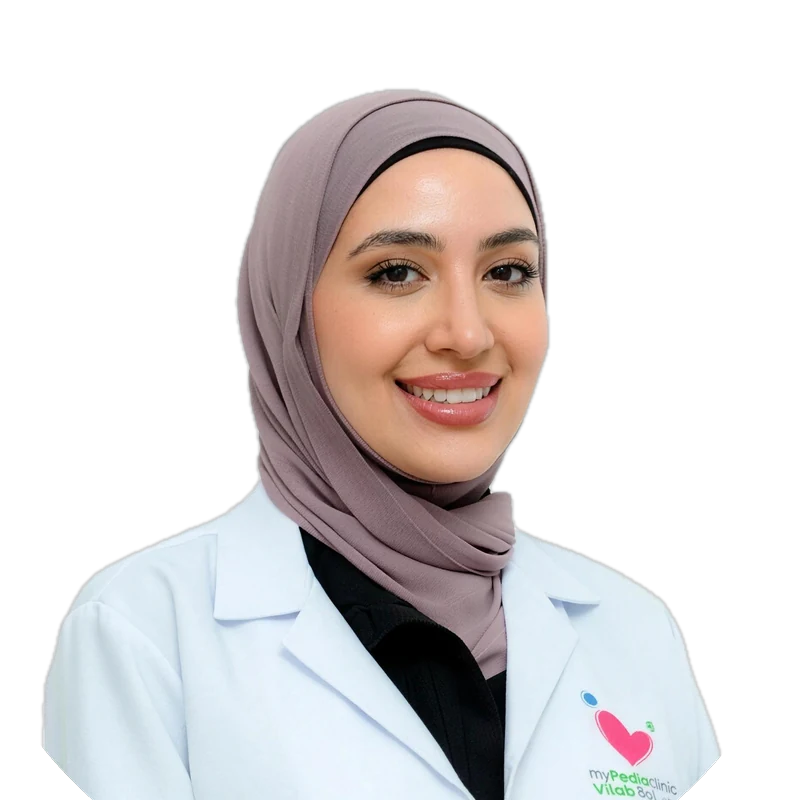 Dr. Sara Atif MustafaSpecialist Pediatric Dentist
Every doctor consults in English and Arabic.
Will my child be asleep on laughing gas?
No. They stay awake and responsive the whole time. The effect is closer to relaxed than sleepy — they can talk to the dentist, follow instructions, and tell us if they want to stop. It is a different thing from sedation that sends a child to sleep, and a very different thing from general anaesthesia.
Will they remember it?
With laughing gas, usually yes — most children remember the appointment clearly, which is part of the point: a good memory of the chair makes the next visit easier. Under general anaesthesia, no; children have no memory of the procedure at all.
Can they eat beforehand?
For a laughing gas appointment: no heavy meal within two hours, a light snack is fine up to two hours before, and liquids up to an hour before. Keeping the stomach light is what reduces the small chance of nausea. For general anaesthesia the fasting rules are stricter and different, and the hospital gives them to you in writing — follow that sheet, not this paragraph.
From what age can laughing gas be used?
Usually from around three or four, when a child can understand the mask and keep it on. Below that it is assessed child by child rather than by birthday. A child who will not wear the mask is not made to.
Is it used for a routine clean?
Usually not. Laughing gas is kept for treatment appointments where anxiety is a known factor. The exception is a very anxious child, where using it for something simple like a clean can be the way they build a first good experience of the chair.
Which hospital, and who gives the anaesthetic?
General anaesthesia is not carried out at the clinic. Ask the dentist at the consultation which hospital is used, who the anaesthetist will be, and what the day involves from arrival to discharge — you should have all of that, in writing if you want it, before you agree to anything.
What will this cost?
Tell reception your insurer when you book. We hold direct billing agreements with fifteen insurers, and cover differs between the pediatric and dental departments, so we check your eligibility before the appointment rather than at the desk. Treatment under general anaesthesia is billed by the hospital as well as the clinic — ask for both parts. Anything not covered can be split into four payments with Tabby.
Your next step
Start with a conversation.
Tell us what is on your mind and reception will confirm the right specialist and a time.
- Opening hours
- Sat-Fri: 9AM - 6PM
- Insurance
- Direct billing with 15 insurers. Check yours
- Find us
- Al Razi Building 64, Block B
Dubai Healthcare City